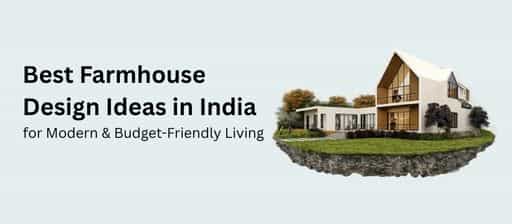
Discover the best farm house plans for multi-generational joint families that balance privacy, comfort, and shared living. Learn how smart zoning, flexible layouts, accessible design, outdoor spaces, and future-ready planning help growing rural families create a farmhouse that supports every generation while preserving family connections.
.png&w=2048&q=75)
Living together on a farm offers unique rewards. Families share labor, reduce childcare costs, and increase security by keeping many generations under one roof. Modern rural life often requires balancing this close connection with the need for personal space. Well-planned farm house plans for multi-generational joint families make this balance possible. By focusing on a smart, modern farmhouse design balances contemporary aesthetics with rural functionality, you create a home that supports togetherness while respecting individual boundaries. Whether you are looking for a sprawling estate or a budget farmhouse design allows you to maximize space without overspending, strategic planning is key.
Ready to start sketching your dream multi-generational home? [Contact us today to speak with our architectural design experts] and bring your vision to life.
Every family member has different requirements. Seniors may need easier access to bathrooms and bedrooms without stairs, which is a staple in a well-thought-out farmhouse design for village settings prioritizes accessibility and localized comfort where single-story living is highly valued. Young couples often desire privacy and soundproofing. Active farmers need a space for work gear that does not track mud throughout the living area.
Before you start sketching, make a list of your family members. Note their age and mobility levels. Determine how many bedrooms and bathrooms you need. List specialized amenities like home office space or extra storage for farm tools. Use this list to prioritize features in your blueprint, ensuring a highly functional farmhouse design for growing family dynamics provides the flexibility needed as your households expand. Does the layout allow for quiet zones away from the noisy kitchen? Can someone with a walker get into every primary room? These questions ensure your home works for everyone. To browse through our curated collection of floor plans, [visit website to explore our signature multi-generational blueprints].
Successful multi-generational homes use zoning to manage shared time. You can organize living space into wings. One wing might hold private bedrooms and baths. A central zone holds the kitchen, dining, and main living room, creating a seamless open-concept rural home creates an inviting and airy atmosphere for family gatherings.
Consider separate entrances for different family units. This allows members to come and go without disturbing others. Some families even choose separate utility meters. If you need more separation, consider a "mother-in-law" suite. This unit has its own kitchenette, living area, and private bath. It connects to the main house but offers a distinct boundary. Integrating a smart farmhouse layout optimizes daily traffic flow and respects individual privacy which helps maintain peace and independence within the joint family.
Design your home to grow with your family. Families change over time. A nursery might become a bedroom, then a hobby room, then a guest space. Utilizing flexible multi-gen floor plans ensures your home adapts effortlessly to changing family milestones regardless of age or ability.
Incorporate zero-threshold entryways into your initial plans. This means there are no steps at the doorways. Wide hallways are easier to navigate for everyone. Use wall types that allow for future changes. Avoiding load-bearing walls in certain areas makes it easier to reconfigure rooms later, which is highly beneficial if you are starting with a small farmhouse design maximizes every square foot through clever spatial planning but plan to expand later.
A duplex or split-level design functions as two homes in one. This approach is highly efficient for managing shared infrastructure costs, making it a go-to choice when low budget farmhouse plans offer cost-effective construction solutions without compromising style. You share a main well, septic system, and perhaps one large kitchen. These costs are often high in rural areas, so sharing them saves money without compromising on style.
One wing houses one family unit, while the other wing houses another. They connect at a central mudroom or laundry facility. This hub becomes a meeting point for chores and daily interactions. The pro is clear: you share big expenses while keeping living spaces separate. The con is that some privacy is lost because you share more wall space and utilities. However, for a cohesive farmhouse design India projects beautifully merge traditional joint family values with modern lifestyle needs.
Clustered living separates dwellings into smaller, detached buildings. These buildings surround a central gathering area. The central space might be a courtyard, a porch, or a common agricultural hub. This layout offers the most privacy, and it is a trend where sustainable farmhouse architecture integrates eco-friendly materials and energy-efficient zoning. Each family unit has its own exterior walls, heating, and plumbing.
This model is excellent for families who want close proximity but distinct households. You maintain independence while still being just a few steps away from each other. It works well when the farm layout needs to spread out. Each building can have its own style or follow a unified design theme. This approach allows for maximum flexibility if family needs change drastically. To see visual examples of clustered layouts, [visit website to view our latest rural compound design portfolio].
The heart of a farmhouse is the communal dining area. Place this in a central location. It should be easily reachable from all wings or separate units. This is where the family eats, talks, and plans farm activities.
Keep shared amenities like the laundry room or main kitchen close to high-traffic zones. You want them accessible but not intrusive to private rooms. When you build with a smart farmhouse layout, strategic positioning of common rooms minimizes indoor foot traffic. Use hallways or buffer zones to separate communal areas from sleeping quarters. This placement keeps the house quiet when one part of the family is sleeping while another is busy in the kitchen. Plan the location of your porch or patio to serve as an extension of the living space.
In a working farm home, the mudroom is the most important entry point. It needs to be large. Multiple families track in dirt, boots, and gear daily. Small closets are not enough.
Design a generous, open mudroom with space for everyone. Having a robust farmhouse design for village life demands a heavy-duty mudroom to handle agricultural daily wear. Use custom, built-in cubbies for coats, boots, and bags. Plan for a large, heavy-duty washer and dryer. You might even consider two sets if your family size is large. A utility sink is essential for washing off dirty gear before it enters the main home. Durable flooring that cleans easily is a must. This zone keeps the rest of the home clean and organized.
The kitchen serves two main purposes. It is a place for big, shared holiday meals. It is also a space for daily food prep. Design a main kitchen with ample workspace. Multiple people should be able to cook at once without bumping into each other.
For added convenience, add smaller kitchenettes or wet bars in private wings. When planning a farmhouse design for growing family units, secondary kitchenettes offer incredible daily independence. Think about traffic flow. How does someone enter from the barn and move to the kitchen or bathroom? Minimize the distance and keep the path clear to reduce mess in the house.
Design a separate workshop or barn area. Connect it to the house with a covered walkway if possible. This keeps you dry during winter chores. If you have an attached garage or shop, use fire-rated walls to separate it from the home. Ensure this space has excellent ventilation to clear fumes or dust. This approach keeps the agricultural side of your life distinct from your living space, proving that a modern farmhouse design flawlessly balances everyday industrial farm work with peaceful domestic living.
This creates a unified look. You can use subtle differences, like varying the trim color or adding unique accents, to identify each unit. These small variations let families express their style without breaking the visual harmony of the property. The goal is to make the entire estate feel like a planned, intentional home, which is why a cohesive farmhouse design India portfolio often features uniform materials that handle regional weather beautifully.
Successful multi-generational living requires planning. You must balance the need for deep family connection with the need for individual space. This guide outlines the key steps to achieve that balance.
Start by honestly assessing your family's needs. Choose a layout, such as a duplex or compound, that fits your land and lifestyle. Focus on essential features like a large mudroom and soundproofing. When you plan carefully, you build a home that supports your family for years, validating that flexible multi-gen floor plans are the ultimate foundation for multi-generational longevity. If you need personalized guidance, [contact us to schedule a consultation with our drafting team] and customize a plan that fits your heritage perfectly.
By -
Content Writer



.png&w=3840&q=50)